
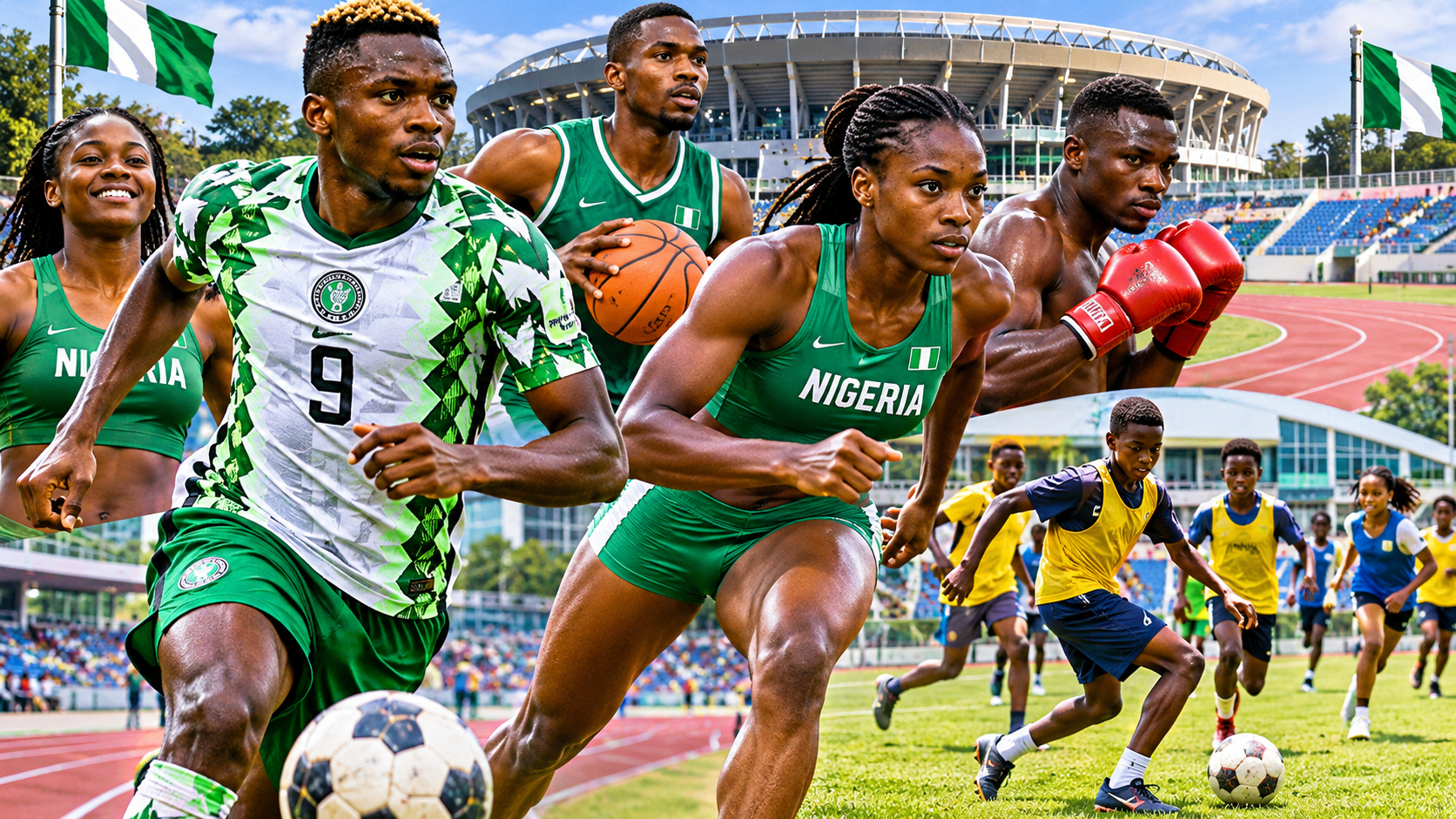
Sports play an important role in Nigeria’s national development, bringing people together across ethnic, religious and geographical boundaries while creating opportunities for young people to demonstrate their talents and pursue professional careers.
From football and athletics to basketball, boxing, wrestling and other sporting disciplines, Nigeria possesses a rich sporting heritage and a large population of talented individuals capable of competing at national and international levels.
Beyond entertainment and competition, sports contribute to physical wellbeing, youth development, employment, tourism and economic activities. Successful sporting programmes can also promote national unity, strengthen community relationships and inspire younger generations.
However, sports development in Nigeria continues to face challenges involving inadequate infrastructure, limited funding, insufficient grassroots programmes, athlete welfare and difficulties in identifying and nurturing emerging talent.
Addressing these challenges requires coordinated efforts by government institutions, sporting federations, educational establishments, private investors and local communities.
Investment in modern sporting facilities, professional coaching, transparent administration and structured youth-development programmes can help strengthen Nigeria’s sporting potential.
This article examines the role of football, athletics and other sports in national development, the importance of grassroots talent discovery, the challenges facing athletes and sporting institutions, and the opportunities for building a stronger and more sustainable sports sector in Nigeria.
Football Development and Its Importance to Nigerian Sports
Football remains one of the most popular sports in Nigeria, attracting widespread interest among young people, supporters, communities and sporting organisations. From local football competitions to professional leagues and international tournaments, the game plays an important role in the country’s sporting culture.
Nigeria has produced talented footballers who have represented the country in international competitions and pursued professional careers in different parts of the world.
The achievements of Nigerian footballers demonstrate the country’s sporting potential and highlight the importance of sustained investment in talent development, coaching, infrastructure and effective sports administration.
Strengthening Grassroots Football Development
Grassroots football provides an important foundation for identifying and developing young players.
Schools, community clubs, local academies and youth competitions create opportunities for aspiring footballers to improve their skills and gain competitive experience.
However, many young players face challenges involving inadequate training facilities, limited access to qualified coaches and insufficient opportunities to participate in organised competitions.
Expanding grassroots programmes, improving community sporting facilities and supporting school football competitions can help discover talented players across Nigeria.
Improving Domestic Football Competitions
Domestic football leagues and competitions are essential to the long-term development of Nigerian football.
A well-organised football system provides opportunities for players, coaches, referees, administrators and other sporting professionals.
Strengthening domestic competitions requires effective league management, transparent financial practices, improved stadium facilities, reliable security arrangements and appropriate player welfare standards.
Investment in club development, youth academies and professional administration can also improve the quality and competitiveness of domestic football.
Developing Professional Coaching and Technical Expertise
Qualified coaches play an important role in improving players’ technical abilities, physical conditioning, tactical understanding and professional discipline.
Football development programmes should provide opportunities for coaches to receive appropriate training, professional certification and continuing education.
Sports science, performance analysis, nutrition and injury prevention are increasingly important aspects of modern football development.
Partnerships among football associations, educational institutions and experienced sporting professionals can help strengthen technical expertise.
Supporting Women’s Football
Women’s football is an important part of Nigeria’s sporting development and deserves sustained institutional and financial support.
The achievements of Nigerian female footballers have demonstrated the potential of women’s participation in national and international competitions.
However, expanding opportunities requires greater investment in grassroots programmes, training facilities, professional competitions and player development.
Encouraging girls to participate in football through schools and community sporting programmes can help strengthen the future of women’s football.
Football as a Source of Employment and Economic Opportunities
Football creates economic opportunities beyond the activities of players and coaches.
Clubs, sporting facilities, broadcasting organisations, equipment suppliers, transportation providers and hospitality businesses can benefit from football-related activities.
Well-managed competitions and sporting events may attract sponsorship, encourage local commerce and support employment.
Developing a sustainable football economy requires responsible investment, transparent administration and effective partnerships between sporting organisations and private businesses.
Building a Stronger Future for Nigerian Football
The future of Nigerian football depends on sustained investment in grassroots development, professional coaching, domestic competitions and athlete welfare.
Sporting authorities, educational institutions, private investors and community organisations have important roles in creating opportunities for talented young players.
By strengthening football institutions and expanding access to quality training, Nigeria can improve its sporting competitiveness while creating economic and social opportunities for future generations.
Athletics and the Development of Other Sporting Disciplines in Nigeria
Although football attracts considerable attention in Nigeria, other sporting disciplines also contribute significantly to national development, international recognition and opportunities for young athletes.
Athletics, basketball, boxing, wrestling, table tennis and several other sports have provided platforms for Nigerian athletes to demonstrate their abilities in national, continental and international competitions.
Developing these disciplines alongside football is important for creating a balanced sporting system and ensuring that talented individuals have opportunities to succeed in different areas.
Athletics and Nigeria’s Sporting Potential
Athletics remains an important part of Nigeria’s sporting heritage, particularly in sprinting, hurdles, jumping and relay events.
Nigerian athletes have participated in major international competitions, including the Olympic Games, Commonwealth Games and World Athletics Championships.
However, sustained success requires structured training programmes, qualified coaches, modern facilities and opportunities for regular competition.
Schools, universities and community sporting organisations can help identify promising athletes and provide pathways for their development.
Investment in athletics tracks, training equipment, sports science and athlete welfare can strengthen Nigeria’s competitiveness.
Basketball and Opportunities for Young Players
Basketball continues to provide opportunities for Nigerian athletes to develop their skills and compete at different levels.
The sport encourages teamwork, discipline, physical fitness and strategic thinking.
School competitions, community basketball programmes and organised leagues can help discover and develop young players.
Strengthening domestic basketball requires improved facilities, professional coaching, sustainable league structures and support for both male and female athletes.
Partnerships with educational institutions and sporting organisations can also expand opportunities for training and professional development.
Boxing, Wrestling and Combat Sports
Nigeria has a history of participation in boxing, wrestling and other combat sports.
These disciplines require physical conditioning, technical knowledge, discipline and effective coaching.
Developing combat sports involves providing safe training environments, appropriate protective equipment, qualified instructors and well-organised competitions.
Support for local clubs and community programmes can help identify talented athletes who may otherwise lack access to professional training.
Athlete safety, medical supervision and responsible sports administration should remain central priorities.
Table Tennis and Indoor Sports
Table tennis and other indoor sports offer additional opportunities for competitive participation and talent development.
These disciplines can be introduced through schools, recreational centres and community sporting programmes.
Expanding access to suitable equipment, coaching and organised competitions can encourage wider participation.
Indoor sporting facilities can also support year-round training and provide opportunities for athletes in urban and rural communities.
Supporting Women’s Participation Across Sports
Women’s participation is essential to the development of a strong and inclusive Nigerian sports sector.
Female athletes have represented Nigeria in several sporting disciplines and demonstrated the importance of providing equal opportunities.
However, challenges involving access to facilities, sponsorship, coaching and professional development can limit participation.
Encouraging girls to engage in sports from an early age and strengthening women’s competitions can help create more sustainable pathways for female athletes.
Sporting institutions should promote fair treatment, athlete safety and appropriate welfare standards.
Developing Sports for Persons with Disabilities
Inclusive sports development should provide opportunities for athletes with disabilities.
Para-athletics, para-powerlifting and other adaptive sporting disciplines enable athletes to compete, develop their abilities and represent their communities and country.
Improving access to appropriate facilities, specialised coaching, equipment and competitions can strengthen participation.
Sports policies should also encourage accessibility, inclusion and respect for the rights of athletes with disabilities.
Strengthening Sporting Diversity in Nigeria
A sustainable national sports system should support multiple disciplines rather than depend primarily on football.
Government institutions, sporting federations, educational establishments and private organisations can contribute through funding, infrastructure development and effective athlete-development programmes.
Regular competitions, transparent administration and investment in professional coaching can help strengthen sporting performance.
By supporting athletics, basketball, combat sports, indoor sports and inclusive sporting programmes, Nigeria can expand opportunities for young people and develop a more diverse and competitive sporting sector.
Grassroots Sports Development and Youth Talent Discovery in Nigeria
Grassroots sports development is essential for building a strong and sustainable sporting future in Nigeria. It provides opportunities for children and young people to discover their abilities, develop sporting skills and participate in organised physical activities.
With Nigeria’s large youth population, structured grassroots programmes can contribute to talent identification, physical wellbeing, education, social inclusion and community development.
However, limited sporting facilities, inadequate funding, insufficient coaching opportunities and unequal access to organised competitions continue to affect grassroots sports development in many communities.
The Importance of School Sports Programmes
Primary and secondary schools provide important opportunities for introducing children to different sporting disciplines.
Physical education, inter-house competitions and inter-school tournaments can encourage participation while helping teachers and coaches identify promising athletes.
Strengthening school sports requires suitable playing fields, basic equipment, trained instructors and regular sporting activities.
Educational authorities and school administrators can work with sporting organisations to create programmes that support both academic achievement and athletic development.
Community Sports and Local Talent Discovery
Community sporting programmes can help young people develop their abilities outside formal educational institutions.
Local football clubs, athletics competitions, basketball programmes and recreational centres provide opportunities for participation and talent identification.
Traditional institutions, local governments, youth organisations and community leaders can contribute by supporting safe and accessible sporting activities.
Regular competitions at community, local government and state levels can help promising athletes gain experience and progress toward higher levels of competition.
Creating Clear Pathways for Young Athletes
Discovering sporting talent is only the beginning of athlete development.
Young athletes require structured training, qualified coaching, competitive opportunities and appropriate guidance to improve their abilities.
Talent-development programmes should establish pathways connecting schools and community clubs with state sporting associations, academies and national sporting institutions.
Transparent selection procedures and merit-based opportunities can help ensure that talented athletes receive fair consideration regardless of their backgrounds.
Supporting Young Athletes Through Education
Sports development should complement education rather than undermine it.
Young athletes need opportunities to continue their academic studies while participating in training and competitions.
Schools, sporting academies and families can work together to establish balanced schedules that support educational progress and athletic development.
Scholarships, mentorship programmes and career guidance can also help athletes prepare for opportunities beyond competitive sports.
Addressing Financial and Infrastructure Barriers
Many talented young Nigerians face difficulties accessing sporting equipment, transportation, training facilities and organised competitions.
These challenges can be particularly significant in rural communities and economically disadvantaged areas.
Investment in community sporting centres, affordable training programmes and accessible competitions can help reduce barriers to participation.
Public-private partnerships, responsible sponsorship and community-supported initiatives may also provide additional resources for grassroots development.
Promoting Safe and Inclusive Youth Sports
Young athletes should participate in environments that protect their physical and emotional wellbeing.
Sporting programmes need appropriate safeguarding policies, qualified supervision, access to medical assistance and measures to prevent harassment, exploitation and discrimination.
Girls, children with disabilities and young people from underserved communities should have meaningful opportunities to participate.
Inclusive sports programmes can promote confidence, cooperation, discipline and respect among participants.
Sports as a Tool for Youth Empowerment
Beyond developing professional athletes, grassroots sports can contribute to positive youth development.
Participation in organised sports can encourage teamwork, leadership, resilience, healthy lifestyles and constructive social interaction.
Sporting activities may also create opportunities for coaching, officiating, sports administration and entrepreneurship.
When combined with education, mentorship and community support, sports can become an important component of youth empowerment.
Building a Sustainable Grassroots Sports System
Sustainable grassroots development requires long-term planning, consistent investment and cooperation among relevant institutions.
Federal, state and local governments, schools, sporting federations, private organisations and communities all have roles to play.
Regular competitions, improved facilities, qualified coaching and transparent talent-development structures can strengthen Nigeria’s sporting foundations.
By investing in grassroots sports and supporting young athletes, Nigeria can develop future sporting talent while promoting healthier, more inclusive and productive communities.
Sports Infrastructure, Funding and Athlete Welfare in Nigeria
Adequate sporting infrastructure, sustainable funding and proper athlete welfare are essential for the long-term development of sports in Nigeria. Talented athletes require suitable training environments, professional support and opportunities to compete in well-organised sporting events.
Although Nigeria has produced athletes who have achieved recognition in different sporting disciplines, infrastructure limitations, financial constraints and welfare concerns continue to affect sports development.
Addressing these challenges requires coordinated investment, transparent administration and policies that prioritise athletes’ wellbeing and professional growth.
Improving Stadiums and Training Facilities
Modern sporting facilities provide athletes with opportunities to train effectively, improve their performance and prepare for competitions.
Stadiums, athletics tracks, indoor sports halls, swimming pools and community sporting centres are important components of a functional sports-development system.
However, some facilities require rehabilitation, regular maintenance or improved equipment to meet appropriate training and competition standards.
Government institutions, sporting organisations and private investors can support the construction, rehabilitation and maintenance of sporting facilities.
Attention should also be given to accessible facilities for athletes with disabilities and suitable sporting infrastructure in underserved communities.
Strengthening Sports Funding and Investment
Reliable funding is necessary for athlete development, coaching programmes, sporting competitions and facility maintenance.
Sports organisations may depend on government allocations, sponsorship arrangements, commercial partnerships and other legitimate sources of financing.
However, inconsistent funding can disrupt training schedules, competitions and long-term development programmes.
Transparent financial management, clear investment priorities and responsible partnerships can help strengthen confidence in sports administration.
Private-sector participation can also support sporting academies, domestic competitions, equipment provision and professional development.
Protecting Athlete Welfare and Wellbeing
Athlete welfare should remain a central priority in sports development.
Sportspeople require access to appropriate medical care, safe training environments, adequate nutrition, suitable accommodation during competitions and fair treatment by sporting institutions.
Delayed payments, inadequate support and poor working conditions can affect athletes’ motivation and performance.
Sporting authorities and clubs should establish clear welfare policies, appropriate contractual arrangements and accessible mechanisms for addressing grievances.
Athletes should also be protected from harassment, exploitation, discrimination and unsafe training practices.
Sports Medicine and Performance Development
Modern competitive sports increasingly depend on scientific approaches to training and performance improvement.
Sports medicine, physiotherapy, nutrition, strength conditioning and injury prevention can help athletes maintain their health and improve their performance.
Access to qualified medical professionals and appropriate rehabilitation services is particularly important for athletes recovering from injuries.
Partnerships with universities, healthcare institutions and sports science professionals can strengthen the quality of athlete-support services.
Supporting Coaches, Referees and Sports Administrators
Sports development depends not only on athletes but also on the professionals responsible for training, officiating and administration.
Coaches require continuing education, technical development and opportunities to learn modern training methods.
Referees and other officials also need appropriate certification, professional support and fair working conditions.
Effective sports administrators should demonstrate competence, transparency and accountability in managing sporting institutions and resources.
Ensuring Fairness and Transparency in Sports Administration
Strong governance is essential for building public confidence in sporting organisations.
Transparent athlete selection, fair competition procedures, responsible financial management and clear institutional responsibilities can reduce disputes and improve performance.
Sporting federations and relevant authorities should maintain effective systems for accountability and compliance with applicable rules.
Athletes, coaches and other stakeholders should have opportunities to raise legitimate concerns through appropriate institutional channels.
Expanding Sports Infrastructure Beyond Major Cities
Sporting opportunities should not be concentrated exclusively in major urban centres.
Young people in rural communities and smaller towns also require access to safe playing fields, basic equipment and organised competitions.
Investment in local sporting facilities can encourage participation, improve talent identification and promote healthy lifestyles.
Community partnerships and carefully planned public investment can help expand access while ensuring that facilities remain affordable and properly maintained.
Building a Sustainable Sports Development System
A strong sports sector requires consistent funding, functional infrastructure, professional administration and effective athlete-support programmes.
Government institutions, sporting federations, educational establishments, private investors and community organisations can contribute to these objectives.
Long-term planning should prioritise maintenance of existing facilities, transparent resource management, professional development and the protection of athletes.
By strengthening infrastructure, improving funding arrangements and placing athlete welfare at the centre of sports policies, Nigeria can create a more supportive environment for sporting excellence and sustainable national development.
Conclusion: Building a Stronger Future for Nigerian Sports
Sports remain an important part of Nigeria’s national identity, providing opportunities for youth development, economic participation, healthy living and international recognition.
From football and athletics to basketball, wrestling, boxing and other sporting disciplines, Nigeria possesses considerable sporting talent and the potential to achieve greater success through sustained investment and effective administration.
However, developing a stronger sports sector requires more than identifying talented athletes. It demands functional sporting facilities, qualified coaches, transparent institutions, reliable funding and appropriate support for athletes throughout their careers.
Grassroots sports development should remain a priority, particularly in schools, rural communities and underserved areas where promising young athletes may lack access to training facilities and organised competitions.
Expanding opportunities for women, athletes with disabilities and young people from different socioeconomic backgrounds can also strengthen inclusion and broaden participation in national sporting activities.
Government institutions, sporting federations, educational establishments, private investors and community organisations must work together to create sustainable programmes that encourage participation and professional development.
Investment in sports science, athlete welfare, modern infrastructure and domestic competitions can improve sporting performance while creating employment and business opportunities.
Equally important is the need for accountability, fair athlete selection, responsible financial management and long-term planning within sporting institutions.
When properly supported, sports can contribute to national unity, youth empowerment, community development and economic growth.
Nigeria’s sporting future will depend on its ability to transform existing talent into lasting achievement through effective policies, professional management and inclusive development opportunities.
For NEW MILLENNIUM NEWS, continued coverage of sports development remains important for highlighting the achievements of Nigerian athletes, examining challenges within the sector and promoting informed public discussion about opportunities for national sporting progress.
Leave a Reply