
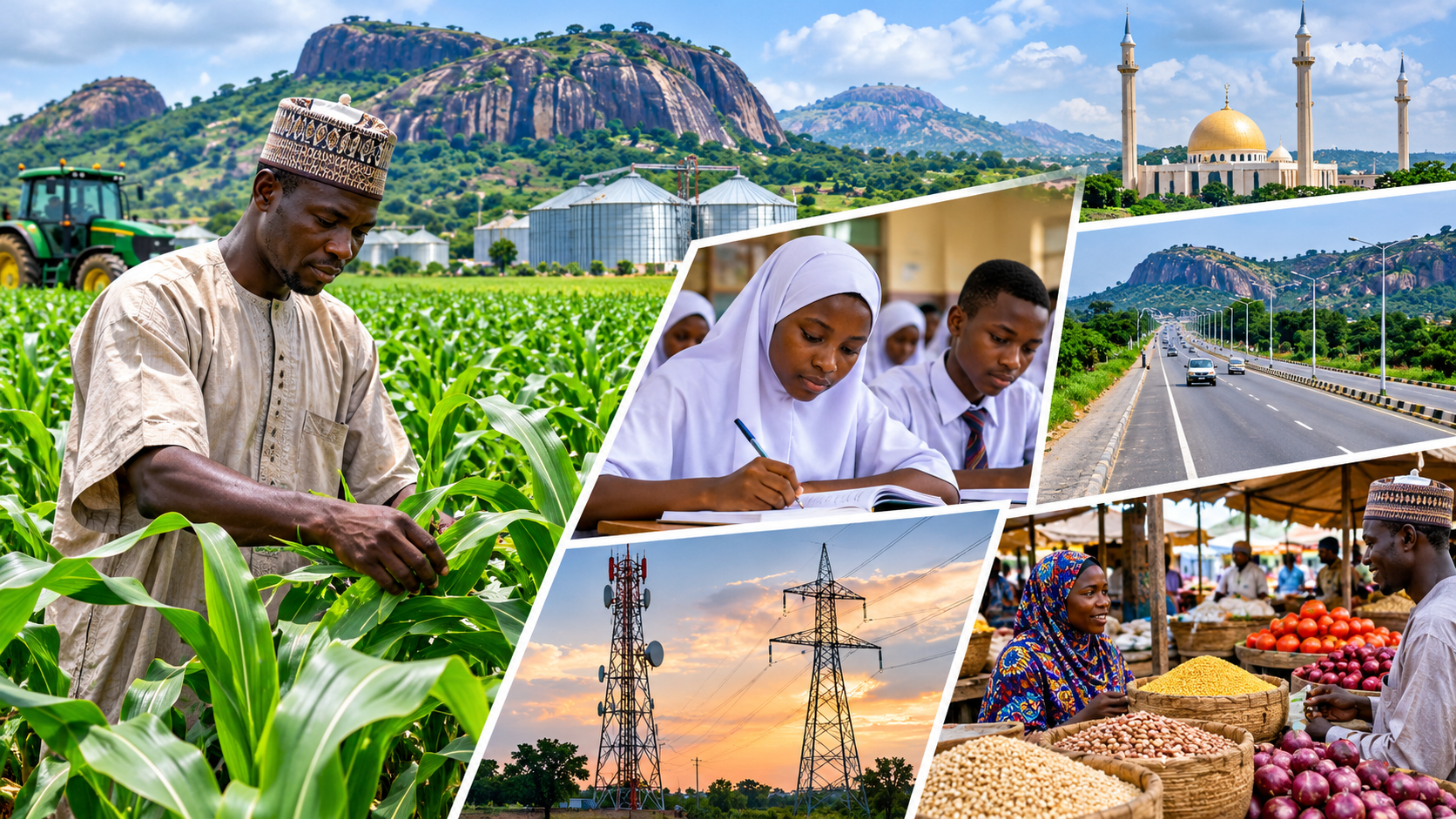
Northern Nigeria occupies an important position in Nigeria’s economic, agricultural, educational and social development. With its extensive agricultural resources, diverse communities, commercial centres and growing population, the region has significant potential to contribute to national prosperity and sustainable development.
However, Northern Nigeria also faces challenges involving insecurity, inadequate infrastructure, limited access to quality education, unemployment and economic inequality. These challenges affect livelihoods, discourage investment and restrict opportunities for communities across different parts of the region.
Addressing these issues requires coordinated efforts by governments, traditional institutions, private-sector organisations, civil society and local communities. By strengthening agriculture, improving education, promoting peace and expanding economic opportunities, Northern Nigeria can build a more resilient and prosperous future.
This article examines the region’s development potential, the major challenges affecting its progress and the opportunities for achieving sustainable growth and improved living conditions.
Agriculture and Economic Development in Northern Nigeria
Agriculture remains one of the most important economic activities across Northern Nigeria, providing livelihoods for millions of people and supporting food production, trade and rural development. The region’s extensive farmland, diverse climatic conditions and agricultural traditions create opportunities for cultivating crops, raising livestock and developing agricultural enterprises.
Agricultural Production and Food Security
Different parts of Northern Nigeria contribute to the production of important food and commercial crops, including maize, rice, millet, sorghum, groundnuts, beans and other agricultural products.
Livestock farming also plays an important role in the regional economy, supporting household incomes, food supply and commercial activities.
However, agricultural productivity can be affected by insecurity, unpredictable rainfall, limited irrigation facilities, inadequate storage infrastructure and difficulties accessing modern farming equipment.
Strengthening agricultural production requires improved access to quality seeds, irrigation, agricultural extension services, appropriate technology and reliable markets.
Agricultural Processing and Value Addition
Beyond primary production, Northern Nigeria has opportunities to expand agricultural processing and value-added industries.
Processing agricultural products into finished or semi-finished goods can create employment, reduce post-harvest losses and increase income opportunities for farmers and entrepreneurs.
Investment in food processing facilities, storage systems, transportation networks and reliable electricity can support the development of agricultural businesses.
Small and medium-sized enterprises can also contribute by producing packaged foods, livestock products and other goods for domestic and wider markets.
Trade, Commerce and Regional Markets
Northern Nigeria has a long history of commercial activities connecting agricultural communities, urban markets and trading centres.
Cities and commercial centres across the region support wholesale trading, transportation, manufacturing, retail businesses and other economic activities.
Improving road networks, market infrastructure, security and access to financial services can help businesses operate more efficiently and expand their commercial opportunities.
Supporting Farmers and Rural Communities
Many rural households depend directly or indirectly on agriculture for their livelihoods.
Supporting these communities requires access to affordable financing, agricultural education, modern equipment, extension services and effective systems for resolving disputes over land and natural resources.
Special attention should also be given to women and young people involved in agricultural production, processing and marketing.
Encouraging agricultural entrepreneurship and rural investment can help create employment, strengthen household incomes and support regional economic development.
Building a More Resilient Agricultural Economy
Sustainable agricultural development requires long-term planning that considers environmental protection, climate variability, water management and the security of farming communities.
Governments, agricultural institutions, private investors and local communities can work together to improve productivity, encourage responsible land use and expand economic opportunities.
Through investment in agriculture, processing industries and rural infrastructure, Northern Nigeria can strengthen its contribution to national food security and sustainable economic growth.
Education and Human Capital Development in Northern Nigeria
Education is an essential foundation for economic growth, social stability and sustainable development. Across Northern Nigeria, improving access to quality education and strengthening human capital development are important priorities for expanding opportunities and improving living conditions.
The region has educational institutions, skilled professionals and a large population of young people whose potential can contribute significantly to national development. However, challenges involving school enrolment, inadequate infrastructure, poverty, insecurity and unequal educational opportunities continue to affect progress in some communities.
Improving Access to Basic Education
Access to quality basic education is important for ensuring that children acquire the knowledge and skills necessary for personal development and future employment.
In parts of Northern Nigeria, some children face barriers to school attendance because of household poverty, long distances to educational facilities, insecurity and other social or economic circumstances.
Addressing these challenges requires investment in classrooms, learning materials, qualified teachers, safe school environments and programmes that support children at risk of educational exclusion.
Community engagement and cooperation among parents, traditional leaders, religious institutions and education authorities can also encourage school attendance and improve educational participation.
Strengthening Secondary and Tertiary Education
Secondary schools, universities, polytechnics and colleges of education play important roles in preparing young people for employment, entrepreneurship and leadership.
Strengthening these institutions requires adequate funding, modern learning facilities, qualified teaching personnel, research opportunities and effective academic administration.
Educational programmes should also respond to changing economic needs by encouraging critical thinking, scientific knowledge, technological competence and practical problem-solving skills.
Partnerships between educational institutions and industries can help students acquire relevant experience and improve their employment prospects.
Technical and Vocational Skills Development
Technical and vocational education can provide young people with practical skills needed in agriculture, construction, manufacturing, information technology, renewable energy and other productive sectors.
Expanding vocational training centres, apprenticeship opportunities and entrepreneurship programmes can help individuals develop employable skills and establish sustainable businesses.
Particular attention should be given to rural communities and economically disadvantaged young people who may have limited access to formal training opportunities.
Girls’ Education and Inclusive Learning
Ensuring equal educational opportunities for girls and boys is essential for long-term social and economic development.
Girls in some communities may face additional barriers involving poverty, early marriage, household responsibilities, safety concerns and limited access to suitable educational facilities.
Policies that support girls’ education, safe learning environments, community awareness and continued school attendance can help improve educational participation and outcomes.
Educational opportunities should also be accessible to children with disabilities and other learners who require additional support.
Addressing the Effects of Insecurity on Education
Insecurity can disrupt educational activities, particularly in communities affected by armed violence, displacement and threats to schools.
Protecting students, teachers and educational facilities requires coordinated action by relevant authorities, security institutions, school administrators and communities.
Safe school initiatives, emergency preparedness, appropriate security measures and support for displaced learners can help reduce interruptions to education.
Investing in Human Capital for Regional Development
Human capital development extends beyond formal education. It includes healthcare, professional training, digital literacy, entrepreneurship and opportunities for lifelong learning.
A healthy, educated and skilled population is better positioned to contribute to economic productivity, innovation and responsible civic participation.
By improving educational access, strengthening institutions and expanding practical skills development, Northern Nigeria can create opportunities for its growing population and support sustainable regional progress.
Security, Peacebuilding and Community Stability in Northern Nigeria
Peace and security are essential foundations for sustainable development. Across Northern Nigeria, insecurity has affected economic activities, education, agriculture, transportation and the wellbeing of communities.
Different parts of the region face varying security challenges, including armed banditry, kidnapping, insurgency, communal conflicts and disputes involving access to land and natural resources. These challenges have disrupted livelihoods, contributed to population displacement and placed pressure on public institutions and local economies.
Addressing insecurity requires a comprehensive approach that combines effective law enforcement, community participation, conflict prevention, economic opportunities and long-term peacebuilding initiatives.
Strengthening Community Safety
Protecting lives and property is a fundamental responsibility of government and an important requirement for economic and social development.
Security institutions need adequate training, equipment, intelligence capabilities and coordination to respond effectively to threats.
Cooperation between security agencies and local communities can also improve the identification of emerging risks and encourage timely responses to security concerns.
Such cooperation should operate within the law and respect human rights, accountability and the protection of civilians.
Addressing the Root Causes of Conflict
Although security challenges differ across Northern Nigeria, factors such as poverty, unemployment, competition over natural resources, weak governance and unresolved community disputes can contribute to instability.
Addressing these underlying problems requires policies that promote economic inclusion, equitable access to opportunities, effective dispute resolution and responsible management of public resources.
Traditional institutions, religious leaders, civil society organisations and community representatives can play constructive roles in encouraging dialogue and peaceful coexistence.
Farmer–Herder Relations and Resource Management
Competition over farmland, grazing areas and water resources has contributed to tensions in some communities.
Population growth, environmental pressures, changing land-use patterns and weaknesses in conflict-resolution mechanisms can intensify disputes.
Sustainable solutions require inclusive dialogue, clear and lawful land-management arrangements, appropriate livestock-development policies and fair mechanisms for resolving disagreements.
Protecting the rights and livelihoods of both farming and pastoral communities is important for lasting peace.
Supporting Displaced and Vulnerable Communities
Armed violence and other emergencies have forced some families to leave their homes, disrupting access to education, healthcare, employment and agricultural activities.
Displaced persons and affected communities may require emergency assistance, safe shelter, healthcare, education and livelihood support.
Long-term recovery also depends on rebuilding essential infrastructure, restoring economic activities and creating conditions for safe, voluntary and dignified returns where possible.
Government institutions, humanitarian organisations and community groups have important roles in supporting recovery and social reintegration.
Youth Engagement and Peacebuilding
Young people can contribute positively to community stability through education, entrepreneurship, civic participation and peacebuilding activities.
Expanding access to vocational training, employment opportunities, mentorship and constructive community programmes can help reduce economic vulnerability and strengthen social participation.
Youth organisations can also support conflict prevention by encouraging dialogue, tolerance and cooperation across communities.
Building Lasting Peace and Regional Stability
Sustainable security requires more than immediate responses to violence. It also depends on effective governance, access to justice, public trust, economic development and functioning social institutions.
Collaboration among federal, state and local governments, security agencies, traditional institutions and community organisations can support coordinated approaches to peacebuilding.
By strengthening community safety, addressing sources of conflict and supporting affected populations, Northern Nigeria can create a more stable environment for investment, education, agriculture and sustainable regional development.
Infrastructure, Investment and Economic Opportunities in Northern Nigeria
Infrastructure development and productive investment are essential for unlocking Northern Nigeria’s economic potential. Reliable transportation networks, electricity, water supply, telecommunications and modern commercial facilities can support business growth, improve living conditions and strengthen regional competitiveness.
Despite the region’s agricultural resources, commercial activities and growing entrepreneurial potential, infrastructure gaps continue to limit economic opportunities in many communities.
Addressing these challenges requires sustained public investment, responsible private-sector participation and effective planning that reflects the needs of both urban and rural populations.
Improving Roads and Transportation Networks
Efficient transportation systems are important for connecting farming communities, industrial centres, markets and major cities.
Poor road conditions, inadequate maintenance and transportation difficulties can increase business costs, delay the movement of agricultural products and restrict access to essential services.
Investment in road construction, rehabilitation, bridges and appropriate public transportation systems can improve connectivity and encourage economic activities.
Strengthening transport links between Northern Nigeria and other parts of the country can also support domestic trade and regional economic integration.
Expanding Electricity and Energy Access
Reliable electricity is essential for industrial production, agricultural processing, healthcare, education and small-business development.
Inadequate electricity supply can increase operating costs and limit the productivity of businesses and public institutions.
Expanding electricity infrastructure, improving distribution networks and encouraging appropriate renewable-energy solutions can help address energy challenges.
Solar power and other decentralised energy systems may offer opportunities for communities where conventional electricity infrastructure remains limited.
Strengthening Digital and Telecommunications Infrastructure
Digital connectivity is increasingly important for education, financial services, business development and access to information.
Improved internet services and telecommunications infrastructure can enable entrepreneurs, students, professionals and businesses to participate more effectively in the digital economy.
Expanding broadband coverage, supporting digital literacy and improving access to affordable technology can help reduce the gap between urban and rural communities.
Digital innovation can also support agricultural marketing, healthcare delivery, financial inclusion and public administration.
Encouraging Industrial Development and Private Investment
Northern Nigeria has opportunities to expand manufacturing, agro-processing, textiles, solid-mineral value chains and other productive industries.
Developing these sectors requires reliable infrastructure, access to finance, skilled workers, appropriate regulation and a secure business environment.
Industrial parks, business-development programmes and investment partnerships can help create conditions for enterprise growth where they are supported by viable economic planning.
Governments can encourage responsible investment through transparent policies, efficient public services and measures that improve confidence in the business environment.
Supporting Small Businesses and Entrepreneurship
Small and medium-sized enterprises contribute to employment, commerce and household incomes across Northern Nigeria.
Entrepreneurs operate in sectors including agriculture, transportation, retail, technology, manufacturing and professional services.
However, many businesses face difficulties involving financing, electricity costs, market access and limited technical support.
Expanding entrepreneurship training, improving access to suitable financing and supporting business networks can help strengthen local enterprises.
Women-owned businesses and youth-led enterprises should also have opportunities to participate in economic-development initiatives.
Developing Tourism and Cultural Industries
Northern Nigeria possesses cultural traditions, historical sites, festivals, crafts and natural attractions that can contribute to tourism and creative economic activities.
Responsible tourism development can create opportunities for hospitality businesses, transport providers, artisans and local communities.
However, sustainable growth in this sector depends on security, infrastructure, environmental protection and the preservation of cultural heritage.
Investment in tourism facilities, professional training and destination management can help communities benefit from their cultural and historical resources.
Promoting Inclusive and Sustainable Investment
Economic development should create opportunities across communities rather than concentrate benefits in a limited number of locations.
Development planning should consider rural infrastructure, environmental sustainability, employment creation and the needs of vulnerable populations.
Transparent project implementation, public accountability and community participation can improve the effectiveness of infrastructure and investment programmes.
Through sustained infrastructure development, responsible investment and support for entrepreneurship, Northern Nigeria can strengthen its economic foundations and create broader opportunities for sustainable regional growth.
Conclusion: Building a Sustainable Future for Northern Nigeria
Northern Nigeria possesses significant human, agricultural, cultural and economic resources that can contribute to sustainable development and national prosperity. Its agricultural potential, commercial activities, educational institutions and growing entrepreneurial population provide opportunities for economic diversification, employment creation and improved living conditions.
However, achieving meaningful progress requires sustained attention to the challenges affecting different communities across the region. Insecurity, inadequate infrastructure, educational inequalities, unemployment and limited access to essential services remain important obstacles to development.
Addressing these challenges demands coordinated policies, responsible leadership, effective institutions and active community participation. Governments at all levels must work with private investors, traditional institutions, civil society organisations and local communities to promote inclusive growth and lasting stability.
Agricultural modernisation, improved educational opportunities, infrastructure investment, technological innovation and stronger support for small businesses can help unlock the region’s economic potential.
Equally important is the need to promote peace, strengthen public accountability, protect vulnerable populations and ensure that development initiatives respond to the needs of communities.
Northern Nigeria’s future will depend not only on its natural resources and economic opportunities but also on the ability of institutions and communities to work together toward shared development goals.
With sustained investment, inclusive policies and a commitment to peace and good governance, the region can make meaningful progress toward a more secure, productive and prosperous future.
For NEW MILLENNIUM NEWS, continued attention to Northern Nigeria’s development remains essential to informing the public, encouraging constructive dialogue and highlighting opportunities for sustainable regional progress.
Leave a Reply