
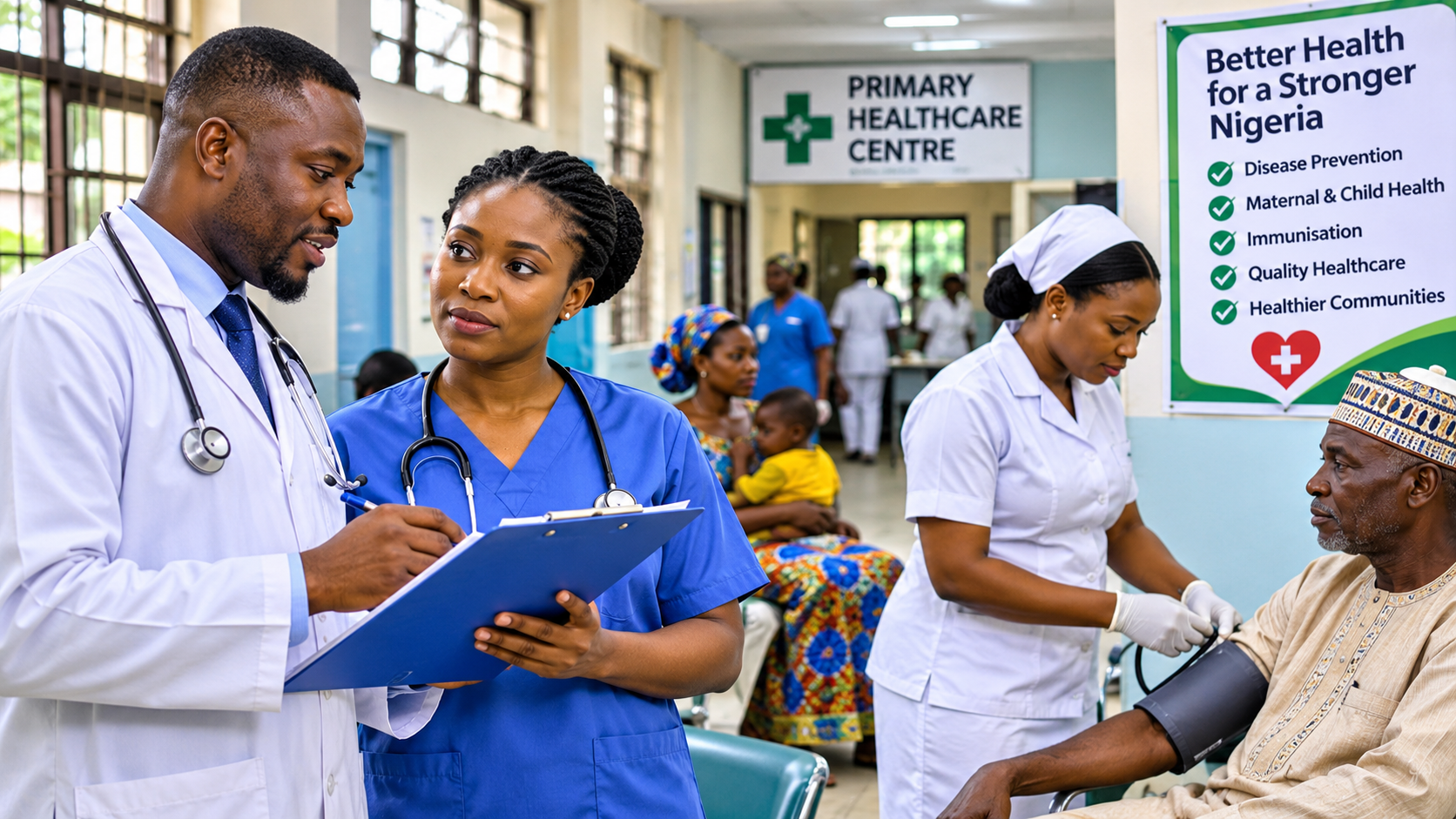
Healthcare is one of the most important foundations of national development, economic productivity and human well-being. In Nigeria, access to quality healthcare remains a major public concern, particularly for rural communities, low-income households and vulnerable populations.
The Nigerian healthcare system faces several challenges, including inadequate infrastructure, shortages of medical personnel, high treatment costs, unequal access to essential services and the continuing burden of infectious and non-communicable diseases. These challenges affect individuals, families and communities across the country.
Improving healthcare delivery requires coordinated efforts by government institutions, healthcare professionals, private organisations, development partners and citizens. Greater investment in primary healthcare, disease prevention, medical infrastructure, health education and effective public health policies can help strengthen the country’s health system.
This article examines the major challenges affecting healthcare in Nigeria, identifies important public health priorities and explores practical approaches to building a stronger, more accessible and sustainable healthcare system.
Major Challenges Facing Healthcare in Nigeria
Nigeria’s healthcare system faces several interconnected challenges that affect the availability, affordability and quality of medical services. These difficulties are particularly significant in rural and underserved communities, where access to essential healthcare facilities may be limited.
Inadequate Healthcare Infrastructure
Many healthcare facilities face challenges involving medical equipment, reliable electricity, clean water, essential medicines and suitable working environments.
In some communities, patients must travel considerable distances to reach hospitals or health centres capable of providing appropriate treatment. These difficulties can delay medical attention and increase the financial burden on families.
Improving healthcare infrastructure requires sustained investment in hospitals, primary healthcare centres, medical equipment, maintenance and reliable supporting services.
Shortage of Healthcare Professionals
Doctors, nurses, midwives, pharmacists, laboratory scientists and other healthcare professionals play essential roles in delivering quality medical services.
However, shortages and uneven distribution of qualified personnel can place pressure on healthcare facilities, particularly in rural areas. Heavy workloads, difficult working conditions and the migration of healthcare professionals can further affect service delivery.
Addressing these challenges requires better training opportunities, improved working conditions, professional development and policies that encourage qualified healthcare workers to serve underserved communities.
High Cost of Medical Treatment
The cost of consultations, medicines, diagnostic tests, hospital admissions and emergency treatment can create serious financial difficulties for households.
Where patients must pay substantial medical expenses directly, some may delay seeking treatment or discontinue care because of financial constraints.
Expanding affordable healthcare coverage, strengthening health insurance arrangements and improving access to essential medicines can help reduce financial barriers to treatment.
Unequal Access to Healthcare Services
Healthcare services are not equally accessible across Nigeria. Differences in infrastructure, transportation, household income and the availability of medical professionals can influence the quality of care people receive.
Rural communities, people living with disabilities, older persons, pregnant women and low-income households may encounter additional difficulties in accessing appropriate services.
Reducing these inequalities requires accessible primary healthcare facilities, inclusive health policies, reliable referral systems and targeted support for underserved populations.
Public Health Priorities in Nigeria
Strengthening Nigeria’s healthcare system requires greater attention to public health priorities that directly affect the well-being of individuals, families and communities.
Effective public health programmes should focus on preventing diseases, improving maternal and child healthcare, expanding primary healthcare services and promoting healthier living conditions.
Strengthening Primary Healthcare
Primary healthcare provides an important foundation for an effective national health system. It brings essential medical services closer to communities and helps reduce unnecessary pressure on major hospitals.
Well-equipped primary healthcare centres can provide routine consultations, immunisation, maternal healthcare, basic treatment, health education and referrals to specialised medical facilities.
Strengthening these centres requires adequate funding, qualified personnel, essential medicines, functional equipment and effective supervision.
Maternal and Child Healthcare
Improving maternal and child health remains an important public health priority in Nigeria.
Pregnant women need access to quality antenatal care, skilled birth attendants, safe delivery services and appropriate postnatal support. Children also require immunisation, proper nutrition, routine medical attention and timely treatment of illnesses.
Expanding these services, particularly in rural and underserved communities, can help prevent avoidable complications and improve health outcomes for mothers and children.
Prevention and Control of Infectious Diseases
Infectious diseases continue to present public health challenges in Nigeria. Malaria, tuberculosis, HIV and other communicable diseases require sustained prevention, early detection and appropriate treatment.
Public health authorities, healthcare institutions and communities have important roles in strengthening disease surveillance, promoting vaccination where appropriate, improving sanitation and encouraging timely medical consultations.
Reliable health information and community participation are also essential for reducing misinformation and supporting effective disease prevention.
Addressing Non-Communicable Diseases
Non-communicable diseases, including hypertension, diabetes, cardiovascular diseases and certain cancers, require increasing attention within Nigeria’s healthcare system.
Prevention and management involve health education, regular medical screening, early diagnosis, access to appropriate treatment and long-term patient support.
Promoting balanced nutrition, physical activity, tobacco avoidance and other healthy lifestyle practices can contribute to reducing preventable health risks.
Health Education and Community Awareness
Public health education helps individuals and families make informed decisions about their health.
Community awareness programmes can promote personal hygiene, safe drinking water, proper sanitation, disease prevention, responsible medicine use and timely access to professional healthcare.
Schools, community leaders, healthcare workers, media organisations and civil society groups can contribute to spreading accurate and accessible health information.
Building a Stronger and More Sustainable Healthcare System in Nigeria
Building a stronger healthcare system in Nigeria requires long-term planning, effective leadership, adequate investment and cooperation among government institutions, healthcare professionals, private organisations and communities.
Healthcare development should focus not only on expanding medical facilities but also on improving the quality, affordability, accessibility and reliability of services.
Increasing Healthcare Investment and Accountability
Adequate and sustainable healthcare financing is essential for improving medical infrastructure, providing necessary equipment and ensuring the availability of essential medicines.
Government institutions should prioritise transparent budgeting, effective resource management and regular monitoring of healthcare programmes.
Greater accountability can help ensure that available resources are used efficiently and that healthcare investments produce meaningful improvements in service delivery.
Strengthening the Healthcare Workforce
Doctors, nurses, midwives, pharmacists, laboratory professionals and other healthcare workers play essential roles in delivering quality medical services.
Improving working conditions, providing continuous professional training, ensuring appropriate remuneration and supporting career development can strengthen the healthcare workforce.
Particular attention should be given to recruiting and retaining qualified professionals in rural and underserved communities.
Improving Medical Infrastructure and Technology
Functional hospitals, primary healthcare centres, diagnostic facilities and reliable medical equipment are necessary for effective healthcare delivery.
Investment in electricity, clean water, sanitation, medical supplies and transportation can improve the operating conditions of healthcare institutions.
Appropriate digital health technologies, including electronic medical records and telemedicine, may also improve healthcare coordination and access where suitable infrastructure and safeguards are available.
Expanding Affordable Healthcare Coverage
The cost of medical treatment can prevent individuals and families from seeking timely healthcare.
Strengthening financial protection mechanisms, expanding access to appropriate health insurance arrangements and improving the affordability of essential services can help reduce financial barriers.
Healthcare policies should pay particular attention to vulnerable populations and households facing economic hardship.
Strengthening Partnerships and Community Participation
Effective healthcare development requires cooperation between government institutions, private healthcare providers, professional associations, development partners and civil society organisations.
Community participation can help identify local health priorities, improve public awareness and strengthen accountability in healthcare delivery.
Partnerships should support national health priorities, promote equitable access to services and contribute to sustainable improvements in public health.
Conclusion
Healthcare is a fundamental component of national development and an essential foundation for improving the quality of life of individuals, families and communities across Nigeria.
Although the country faces significant challenges involving healthcare infrastructure, medical personnel, treatment costs, disease prevention and unequal access to services, meaningful improvements are possible through sustained investment, effective policies and responsible leadership.
Strengthening primary healthcare, improving maternal and child health services, supporting healthcare professionals, expanding affordable medical coverage and promoting public health education are important steps towards building a more resilient healthcare system.
Government institutions, healthcare providers, private organisations, development partners and citizens all have important responsibilities in advancing these objectives.
Ultimately, building a stronger healthcare system in Nigeria requires a coordinated and long-term commitment to accessible, affordable, equitable and quality healthcare. Through effective cooperation, accountability and sustained investment, the country can make meaningful progress towards better health outcomes and sustainable national development.
Leave a Reply