Good governance and democratic accountability are essential foundations for national development, political stability and public confidence in government. In Nigeria, democratic institutions, elected representatives and citizens all have important responsibilities in promoting transparency, protecting public resources and ensuring that government policies respond to the needs of the people.
Since Nigeria’s return to democratic rule in 1999, the country has continued to develop its democratic institutions and political processes. However, challenges relating to corruption, public service delivery, electoral credibility, institutional effectiveness and citizens’ participation remain important issues in national discussions about governance and development.
Strengthening democratic accountability requires more than conducting elections. It involves respect for the rule of law, responsible leadership, independent institutions, transparent management of public resources and active public participation. This article examines the major challenges facing governance in Nigeria, the responsibilities of public officials and institutions, and the role citizens can play in building a more accountable and responsive democratic system.
Understanding Good Governance and Democratic Accountability in Nigeria
Good governance refers to the responsible, transparent and effective management of public affairs and resources in ways that serve the interests of society. It involves accountability, fairness, respect for the rule of law, public participation and the delivery of essential services to citizens.
In a democratic system, accountability requires elected leaders, appointed officials and public institutions to explain their decisions, justify their actions and accept responsibility for their performance. Citizens must also have opportunities to question government policies, access public information and participate in decisions that affect their communities.
In Nigeria, democratic governance operates through institutions at the federal, state and local government levels. The executive, legislature and judiciary have distinct constitutional responsibilities, while electoral bodies, oversight institutions, civil society organisations and the media contribute to public accountability.
Effective governance depends not only on the existence of these institutions but also on their independence, integrity and ability to perform their responsibilities. When public institutions operate transparently and respond to citizens’ needs, they can strengthen confidence in democracy and support sustainable national development.
Promoting democratic accountability therefore requires cooperation among government institutions, political leaders, civil society, the media and ordinary citizens. Each has an important role in ensuring that public authority is exercised responsibly and in accordance with the law.
Major Challenges Facing Good Governance in Nigeria
Despite Nigeria’s democratic progress, several challenges continue to affect the effectiveness of governance, the performance of public institutions and citizens’ confidence in government.
Corruption and Mismanagement of Public Resources
Corruption and the misuse of public resources remain major concerns in discussions about governance in Nigeria. When public funds are diverted, improperly managed or spent without adequate oversight, essential services such as education, healthcare, infrastructure and security may suffer. Strengthening financial accountability, transparent procurement and independent oversight is therefore important for improving public administration.
Weak Institutional Accountability
Democratic governance depends on institutions that can perform their duties without improper political interference. Weak enforcement of laws, inadequate oversight and limited institutional capacity can reduce the effectiveness of public administration. Stronger institutions require professional leadership, adequate resources and consistent respect for constitutional responsibilities.
Electoral Credibility and Political Participation
Free, fair and credible elections are central to representative democracy. Concerns about electoral processes, political violence, misinformation and barriers to participation can weaken public confidence. Improving electoral transparency, protecting voters’ rights and encouraging peaceful political competition are important for strengthening Nigeria’s democratic system.
Public Service Delivery and Infrastructure
Citizens expect government institutions to provide essential services, including education, healthcare, electricity, water, transportation and public safety. Inadequate infrastructure, limited resources and weaknesses in planning or implementation can affect the quality and accessibility of these services, particularly in underserved communities.
Security Challenges and Social Stability
Insecurity can disrupt economic activities, education, agriculture and community development. Effective responses require lawful security operations, cooperation among relevant institutions, protection of human rights and sustained efforts to address underlying social and economic challenges.
Addressing these governance challenges requires long-term institutional reforms, responsible political leadership, effective enforcement of laws and meaningful participation by citizens. Sustainable improvements depend on translating public commitments into measurable results that benefit communities across Nigeria.
Responsibilities of Government Institutions and Political Leaders
Good governance requires public officials and government institutions to exercise their authority responsibly, uphold constitutional principles and place the interests of citizens above personal or political considerations. In Nigeria, the executive, legislature, judiciary and other public institutions have important responsibilities in maintaining democratic accountability.
The Executive Arm of Government
The executive is responsible for implementing laws, developing public policies, managing government programmes and coordinating the delivery of essential services. At the federal and state levels, effective executive leadership requires transparent decision-making, responsible management of public resources and regular evaluation of government performance.
The Legislative Arm of Government
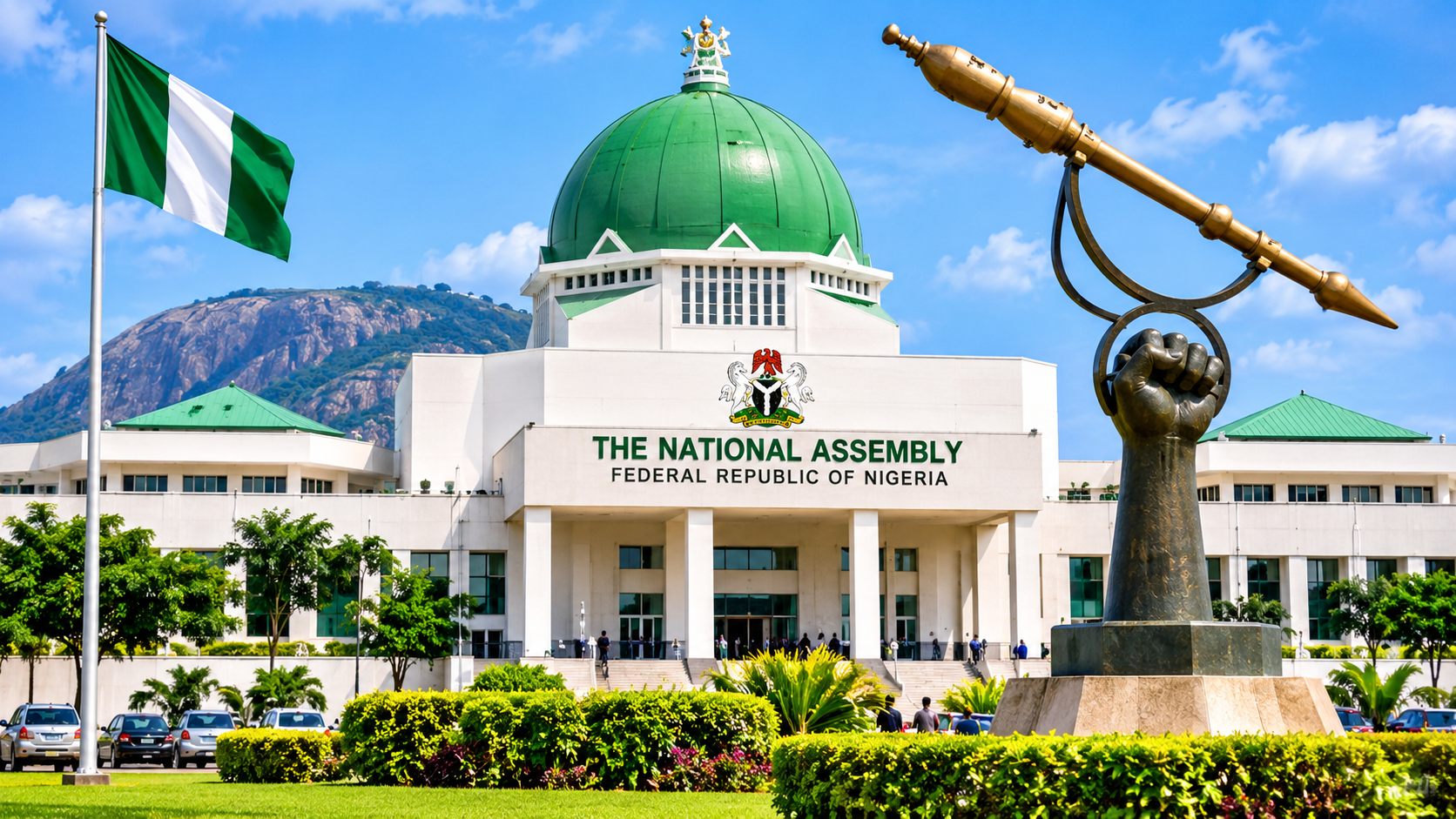
The legislature plays a central role in democratic accountability through lawmaking, representation and oversight. Members of the National Assembly and State Houses of Assembly are expected to examine government policies, scrutinise public expenditure and represent the interests of their constituents.
Effective legislative oversight can help identify weaknesses in public administration, promote transparency and ensure that government institutions operate within their constitutional responsibilities.
The Judiciary and the Rule of Law
An independent and impartial judiciary is essential for protecting constitutional rights, resolving disputes and ensuring that laws are applied fairly. Public confidence in the justice system depends on judicial integrity, accessibility, timely administration of justice and respect for court decisions.
Public Institutions and Civil Service
Government ministries, departments, agencies and public servants are responsible for implementing policies and delivering services to citizens. Professionalism, transparency, competence and accountability are necessary for improving the effectiveness of public administration.
Public institutions should also provide accessible information, respond to legitimate complaints and ensure that government programmes reach the communities they are intended to serve.
Political Leadership and Ethical Responsibility
Political leaders have a responsibility to promote national unity, respect democratic institutions, encourage peaceful political participation and demonstrate integrity in public office.
Responsible leadership requires openness to constructive criticism, respect for differing opinions and a commitment to policies that improve the well-being of citizens.
Strengthening these responsibilities across all levels of government can help improve public trust, reduce institutional weaknesses and support Nigeria’s democratic development.
The Role of Citizens, Civil Society and the Media in Democratic Accountability
Democratic accountability is not the responsibility of government institutions alone. Citizens, civil society organisations and the media also play essential roles in promoting transparency, encouraging responsible leadership and strengthening democratic participation in Nigeria.
Citizens and Democratic Participation
Citizens contribute to democratic governance by participating in elections, engaging in public discussions, monitoring government activities and holding elected representatives accountable for their commitments.
Beyond voting, citizens can attend community meetings, participate in lawful civic activities, communicate with public officials and raise concerns about issues affecting their communities.
Informed and responsible participation helps ensure that government decisions reflect the priorities and legitimate interests of the people.
Civil Society Organisations
Civil society organisations contribute to democratic accountability through public education, advocacy, research, election observation and the monitoring of government policies.
These organisations can help communities understand their rights, encourage public participation and draw attention to challenges in service delivery, governance and the protection of fundamental freedoms.
Constructive engagement between civil society and public institutions can support reforms and improve the responsiveness of government programmes.
The Media and Public Accountability
A free, independent and responsible media is an important part of democratic society. Journalists and news organisations help citizens understand public policies, examine government decisions and access information about matters of public interest.
Through accurate reporting, investigative journalism and balanced analysis, the media can highlight governance challenges, encourage transparency and provide platforms for informed public debate.
Media organisations also have a responsibility to verify information, distinguish facts from opinions, avoid misinformation and uphold professional ethical standards.
Responsible Use of Digital Platforms
Digital communication and social media have expanded opportunities for citizens to discuss public affairs, share information and participate in democratic conversations.
However, these platforms can also facilitate the spread of false information, inflammatory statements and misleading political content.
Responsible digital participation requires critical evaluation of information, respect for differing opinions and a commitment to peaceful and constructive engagement.
Strengthening democratic accountability in Nigeria therefore depends on an informed population, active civil society, responsible journalism and institutions that respect citizens’ rights to participate in public affairs.
Strengthening Democratic Governance and Accountability in Nigeria
Strengthening democratic governance in Nigeria requires sustained commitment from public institutions, political leaders, civil society organisations and citizens. Although democratic institutions provide the framework for representative government, their effectiveness depends on transparency, accountability, respect for the rule of law and consistent implementation of public policies.
Strengthening Public Institutions
Independent and effective public institutions are essential for democratic accountability. Electoral bodies, legislative institutions, the judiciary, anti-corruption agencies and other oversight organisations must be able to carry out their responsibilities fairly and without improper interference.
Improving institutional capacity, promoting professional standards and ensuring compliance with established laws can strengthen public confidence in governance.
Promoting Transparency and Responsible Management of Public Resources
Transparent management of public funds is important for improving service delivery and reducing opportunities for corruption.
Government institutions should provide accessible information about public budgets, expenditure, development projects and policy implementation. Effective financial oversight and responsible procurement practices can help ensure that public resources are used for their intended purposes.
Improving Public Service Delivery
Democratic governance should produce meaningful improvements in people’s everyday lives. Access to education, healthcare, infrastructure, security and economic opportunities remains central to public expectations of government.
Strengthening planning, monitoring public projects and evaluating policy outcomes can help public institutions identify weaknesses and improve the quality of essential services.
Encouraging Inclusive Governance
Inclusive governance requires meaningful opportunities for women, young people, persons with disabilities and other members of society to participate in public decision-making.
Political participation should extend beyond elections to include community consultations, policy discussions and constructive engagement between citizens and public officials.
Strengthening Civic Education and Democratic Values
Civic education can help Nigerians understand their constitutional rights, responsibilities and the functions of government institutions.
Educational institutions, civil society organisations, community leaders and the media can contribute by promoting informed participation, peaceful political engagement and respect for democratic principles.
Building a Culture of Accountability
Sustainable democratic progress requires public officials to accept responsibility for their decisions and citizens to demand accountability through lawful and constructive means.
Government institutions must respond to legitimate public concerns, while citizens should participate responsibly and respect the rights of others.
Through institutional reforms, transparent leadership, effective public services and active civic participation, Nigeria can strengthen democratic accountability and build a more responsive system of governance.
Conclusion
Democratic governance and accountability remain essential to Nigeria’s political stability, national development and the well-being of its citizens. While the country has established democratic institutions and constitutional structures, strengthening their effectiveness requires continuous commitment to transparency, responsible leadership, the rule of law and public participation.
The challenges facing democratic governance cannot be addressed by government institutions alone. Political leaders, lawmakers, judicial authorities, civil society organisations, the media and ordinary citizens all have important responsibilities in promoting accountability and protecting democratic principles.
Improving public service delivery, strengthening electoral credibility, combating corruption, protecting fundamental rights and ensuring responsible management of public resources are important priorities for building public confidence in democratic institutions.
Citizens also have a responsibility to participate peacefully in political processes, seek reliable information, hold public officials accountable through lawful means and contribute constructively to discussions about national development.
Ultimately, the strength of Nigeria’s democracy will depend not only on the conduct of elections but also on the quality of governance, the integrity of public institutions and the ability of government to respond effectively to the needs of the people.
Through sustained institutional reforms, responsible political leadership and active civic engagement, Nigeria can build a more transparent, inclusive and accountable democratic system that serves present and future generations.
Leave a Reply