
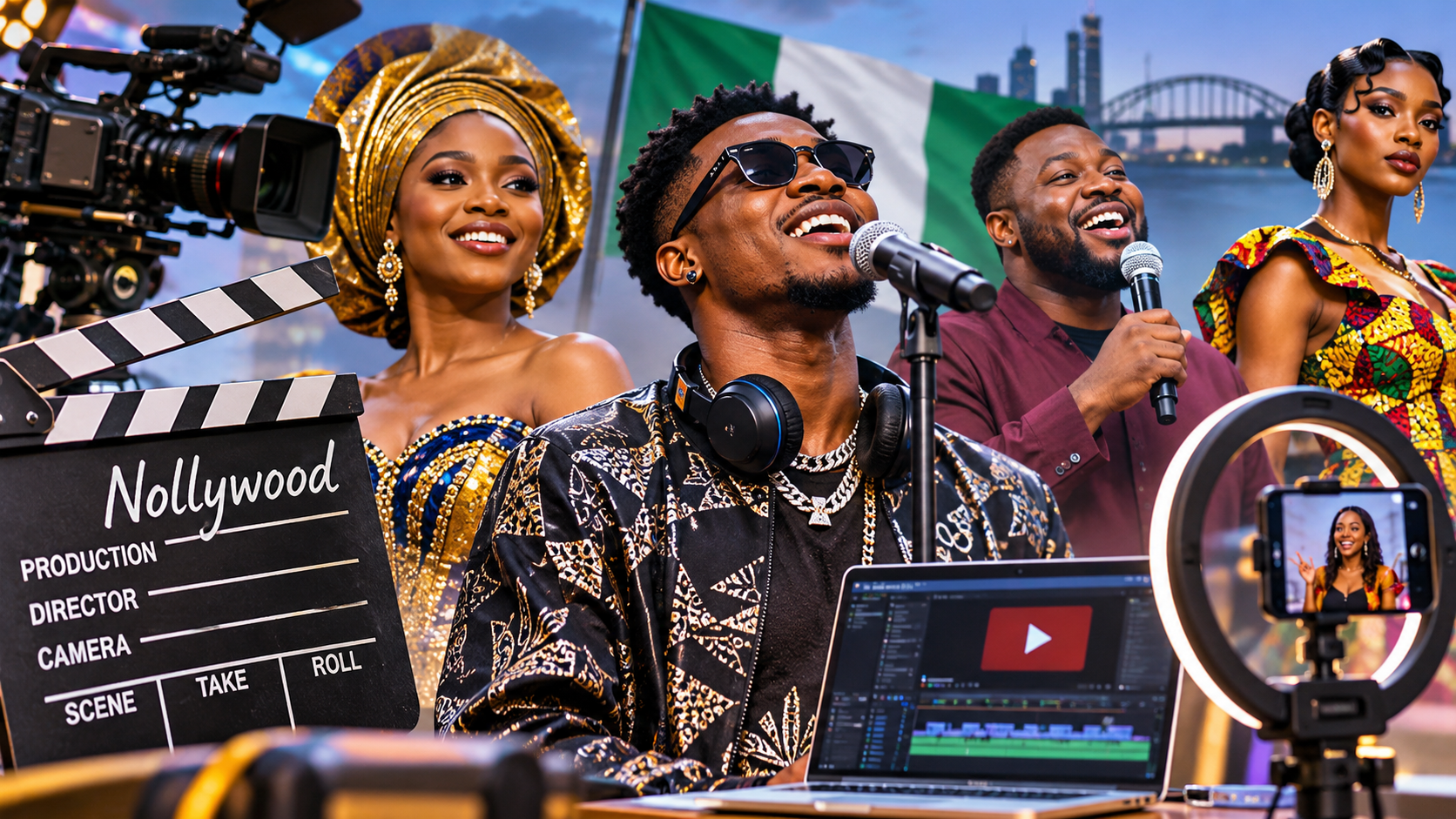
Nigeria’s entertainment industry has become an important part of the country’s cultural identity, economic development and international recognition. From Nollywood films and contemporary music to comedy, fashion, digital content creation and live performances, Nigerian creative professionals continue to contribute to the growth of the entertainment sector.
The increasing visibility of Nigerian films, music and other creative productions across international markets demonstrates the potential of the country’s entertainment industry to reach wider audiences, attract investment and create employment opportunities.
Beyond providing recreation and cultural expression, entertainment supports economic activities involving film production, music recording, event management, advertising, fashion, tourism, technology and digital media.
Nigeria’s large youth population, diverse cultural traditions and growing creative talent provide opportunities for innovation and entrepreneurship within the industry.
However, the entertainment sector also faces challenges involving inadequate infrastructure, limited access to financing, intellectual property protection, piracy, professional training and unequal opportunities for emerging artists and creative entrepreneurs.
Addressing these challenges requires coordinated efforts by government institutions, private investors, entertainment professionals, educational establishments and relevant industry organisations.
Investment in creative infrastructure, professional development, digital distribution and effective intellectual property protection can help strengthen the industry’s competitiveness and long-term sustainability.
This article examines the contributions of Nollywood, Nigerian music and other creative industries to national development, the opportunities available to emerging talent, the challenges affecting entertainment professionals and the potential for sustainable economic growth.
Nollywood and the Growth of Nigeria’s Film Industry
Nollywood has become one of Nigeria’s most recognisable cultural industries, contributing to entertainment, employment, entrepreneurship and the promotion of Nigerian stories to audiences around the world.
Through films, television productions and digital streaming platforms, Nigerian filmmakers have created opportunities for actors, directors, producers, screenwriters, cinematographers and other creative professionals.
The industry’s development reflects Nigeria’s cultural diversity, storytelling traditions and growing capacity for creative production.
Nollywood’s Contribution to Nigerian Culture
Nollywood plays an important role in preserving and promoting Nigerian cultural identities.
Films produced in English, Hausa, Yoruba, Igbo and other Nigerian languages reflect different traditions, social experiences and community values.
Through storytelling, filmmakers explore themes involving family relationships, education, leadership, social change, history and contemporary challenges.
These productions provide opportunities for audiences to engage with Nigerian experiences while introducing aspects of the country’s culture to international viewers.
Employment and Economic Opportunities in Film Production
The film industry supports a wide range of professional and commercial activities.
Beyond actors and producers, film production creates opportunities for costume designers, makeup artists, editors, sound engineers, set designers, photographers, technicians and transportation providers.
Related businesses, including hospitality services, equipment suppliers, advertising agencies and digital distribution companies, may also benefit from film-production activities.
Strengthening the industry’s commercial foundations can support entrepreneurship, employment and economic diversification.
Digital Platforms and International Audiences
Digital technology has changed how films are produced, distributed and consumed.
Streaming services, online video platforms and digital marketing tools provide additional channels through which Nigerian filmmakers can reach audiences.
These developments may create opportunities for independent producers and emerging creative professionals who previously faced limitations in accessing traditional distribution networks.
However, successful participation in digital markets requires appropriate production standards, effective marketing, suitable distribution agreements and sustainable financing arrangements.
Challenges Facing Nollywood
Despite its achievements, Nollywood continues to face challenges that can affect production quality and business sustainability.
Limited access to affordable financing, inadequate production facilities, piracy and unauthorised distribution can reduce the financial returns available to filmmakers and investors.
Some industry professionals also face difficulties accessing specialised training, modern equipment and reliable production infrastructure.
Addressing these challenges requires stronger industry institutions, responsible investment, professional development and effective enforcement of intellectual property rights.
Professional Training and Film Education
A competitive film industry depends on skilled professionals who understand both the creative and technical aspects of production.
Film schools, universities, vocational institutions and professional training programmes can help develop expertise in directing, acting, screenwriting, cinematography, editing and production management.
Mentorship opportunities and partnerships with experienced filmmakers can also support emerging talent.
Continued investment in training can improve production standards and expand career opportunities within the industry.
Opportunities for Regional Film Industries
Nigeria’s film industry extends beyond major production centres, with creative activities taking place across different regions of the country.
Regional film industries, including Hausa-language productions commonly associated with Kannywood, contribute to cultural expression and local economic activities.
Supporting filmmakers across Nigeria can encourage diverse storytelling, expand participation and create opportunities for creative professionals in underserved communities.
Investment in regional production facilities, professional training and distribution networks can help strengthen the national film industry.
Building a Sustainable Future for Nollywood
Nollywood’s long-term development depends on effective industry organisation, improved access to investment, professional standards and stronger protection for creative works.
Government institutions, private investors, filmmakers and industry associations can contribute to policies and programmes that encourage responsible growth.
Expanding international partnerships, strengthening digital distribution and supporting emerging filmmakers can also create opportunities for the industry.
With sustained investment and effective management, Nollywood can continue contributing to Nigeria’s cultural influence, employment creation and economic development.
Nigerian Music and Its Growing Global Influence
Nigeria’s music industry has become an important contributor to the country’s entertainment sector, cultural identity and international visibility. Through Afrobeats, Afro-pop, hip-hop, gospel, highlife, traditional music and other genres, Nigerian artists continue to reach audiences across Africa and beyond.
The growing international recognition of Nigerian music demonstrates the creativity of the country’s musicians, producers, songwriters and entertainment entrepreneurs.
Beyond artistic expression, the industry creates opportunities for employment, business development, cultural exchange and investment.
Afrobeats and International Recognition
Afrobeats has emerged as one of the most internationally visible forms of contemporary African popular music, with Nigerian artists playing a major role in its development and global reach.
The genre combines influences from different musical traditions, reflecting Nigeria’s cultural diversity and the creativity of contemporary performers.
International collaborations, concerts, digital streaming and social media have helped Nigerian music reach wider audiences.
The growing popularity of Afrobeats also creates opportunities for music producers, instrumentalists, dancers, managers, event organisers and other creative professionals.
The Contributions of Nigerian Music Artists
Nigerian musicians have contributed to the international recognition of African music through recordings, performances and collaborations.
Artists such as Burna Boy, Wizkid, Davido and Tiwa Savage have helped expand the visibility of contemporary Nigerian music in international markets.
Their achievements demonstrate the potential of Nigerian creative talent and provide inspiration for emerging musicians.
However, long-term industry development requires opportunities for a wider range of artists, including independent performers and musicians working in regional and traditional genres.
Music Production and Creative Entrepreneurship
The music industry involves more than performing and recording songs.
Music producers, sound engineers, songwriters, video directors, graphic designers, promoters and entertainment managers contribute to the creation and distribution of musical content.
Recording studios, event companies, digital marketing businesses and music-distribution services also support economic activities.
Strengthening these professional networks can help create employment and encourage entrepreneurship among young Nigerians.
Digital Streaming and Music Distribution
Digital platforms have transformed how music reaches listeners.
Streaming services, online music stores and social media platforms allow artists to distribute recordings and connect with audiences across geographical boundaries.
These technologies can reduce some traditional distribution barriers and create opportunities for independent musicians.
However, artists may still face challenges involving digital royalties, distribution agreements, copyright protection and the costs of promoting their work.
Improving industry knowledge and access to professional advice can help musicians make informed commercial decisions.
Live Performances, Concerts and Entertainment Tourism
Concerts, music festivals and other live entertainment events contribute to Nigeria’s creative economy.
These activities create opportunities for performers, event organisers, sound technicians, security personnel, transportation providers, hospitality businesses and local traders.
Well-managed entertainment events can also encourage domestic tourism and attract international visitors.
However, successful event development requires suitable venues, effective safety arrangements, reliable infrastructure and professional organisation.
Preserving Traditional and Regional Music
Nigeria possesses a rich musical heritage shaped by its diverse ethnic groups, languages and cultural traditions.
Traditional music and regional genres contribute to cultural identity and provide opportunities for artistic expression.
Supporting these musical traditions is important for preserving cultural knowledge and encouraging creative diversity.
Cultural festivals, community performances, educational programmes and digital archives can help introduce traditional music to younger generations.
Regional musicians should also have opportunities to access professional training, recording facilities and wider distribution networks.
Challenges Facing the Nigerian Music Industry
Despite its growth, the music industry faces challenges involving piracy, unauthorised distribution, limited access to financing and difficulties in protecting intellectual property rights.
Emerging artists may struggle to secure professional management, quality recording facilities and effective promotional opportunities.
Disagreements over contracts, royalties and ownership of creative works can also affect industry relationships.
Stronger copyright protection, transparent commercial agreements and improved professional education can help address these concerns.
Supporting Emerging Musical Talent
Developing the next generation of Nigerian musicians requires investment in training, mentorship and accessible creative facilities.
Music schools, community arts programmes, recording studios and talent-development initiatives can help young performers improve their abilities.
Partnerships between established professionals and emerging artists can support knowledge sharing and career development.
Opportunities should extend to talented individuals across different regions and socioeconomic backgrounds.
Building a Sustainable Nigerian Music Industry
The long-term success of Nigerian music depends on creative innovation, responsible business practices and effective industry institutions.
Improved copyright protection, transparent royalty arrangements, professional training and access to investment can strengthen the sector.
Government institutions, private businesses, music professionals and industry associations can contribute to creating a supportive environment for artistic development.
By protecting creative rights, encouraging entrepreneurship and expanding opportunities for emerging talent, Nigeria can strengthen its music industry while promoting cultural expression and sustainable economic growth.
Comedy, Fashion, Digital Content Creation and Emerging Creative Industries in Nigeria
Nigeria’s entertainment industry extends beyond film and music to include comedy, fashion, digital content creation, photography, animation and other creative activities.
These industries provide opportunities for artistic expression, entrepreneurship, employment and cultural promotion. They also demonstrate how creativity and technology can contribute to economic diversification and youth development.
As digital platforms and consumer preferences continue to evolve, Nigerian creative professionals have opportunities to reach wider audiences and develop new business models.
Comedy and Nigeria’s Entertainment Culture
Comedy has become an important part of Nigeria’s entertainment landscape, with performers reaching audiences through live shows, television, social media and digital video platforms.
Stand-up comedians, actors, scriptwriters and online content creators use humour to explore everyday experiences, social relationships and contemporary issues.
Comedy performances and productions can generate economic activities involving event management, advertising, video production and digital distribution.
Supporting professional training, suitable performance venues and responsible business practices can help strengthen the sector.
Fashion and Cultural Expression
Nigeria’s fashion industry reflects the country’s diverse cultural traditions, artistic creativity and entrepreneurial potential.
Fashion designers, tailors, textile producers, stylists, models and other professionals contribute to the production and promotion of clothing and related products.
Traditional fabrics, contemporary designs and cultural influences provide opportunities for Nigerian fashion businesses to develop distinctive products.
Fashion exhibitions, creative partnerships and digital marketing can help entrepreneurs reach domestic and international customers.
However, access to financing, reliable electricity, production equipment and efficient distribution systems remains important for business growth.
Digital Content Creation and Social Media Entertainment
Digital platforms have created new opportunities for Nigerians to produce and distribute entertainment content.
Video creators, podcasters, social media personalities and online educators can reach audiences without relying exclusively on traditional broadcasting channels.
Content creation also supports related activities such as photography, editing, graphic design, advertising and digital marketing.
However, sustainable careers require creativity, consistency, audience engagement, appropriate business planning and an understanding of platform policies.
Creators must also consider copyright protection, privacy, misinformation and responsible online conduct.
Animation, Gaming and Digital Storytelling
Animation, video games and digital storytelling represent emerging opportunities within Nigeria’s creative economy.
These activities combine artistic skills with technology, software development, sound production and visual design.
Animation studios and game developers can create original content inspired by Nigerian experiences, history and cultural traditions.
Expanding access to digital equipment, technical training and investment can help strengthen these industries.
Educational institutions and technology organisations may also support creative professionals through training, mentorship and collaborative projects.
Photography and Visual Production
Photography and visual production contribute to entertainment, advertising, journalism, fashion and cultural documentation.
Professional photographers, videographers, editors and production teams support events, commercial campaigns and creative projects.
Digital technology has expanded opportunities for visual storytelling and online distribution.
However, professionals require suitable equipment, technical expertise, reliable infrastructure and effective business-management skills.
Training and industry partnerships can help improve professional standards and expand opportunities for emerging practitioners.
Creative Entrepreneurship and Employment Opportunities
Creative industries provide opportunities for individuals to establish businesses based on artistic talent, technical skills and innovative ideas.
Entrepreneurs can operate in areas such as fashion design, event planning, content production, digital marketing, entertainment management and creative technology.
These businesses can generate income, support local supply chains and create employment opportunities.
Access to affordable financing, business-development services and appropriate professional training can help creative enterprises become more sustainable.
Challenges Facing Emerging Creative Industries
Despite their potential, emerging creative businesses face challenges involving limited investment, inadequate infrastructure, copyright infringement and restricted access to professional training.
Some entrepreneurs also experience difficulties with marketing, distribution and business formalisation.
Addressing these challenges requires supportive policies, transparent regulation, stronger intellectual property protection and opportunities for collaboration.
Improved digital infrastructure and reliable electricity can also strengthen creative production and commercial activities.
Supporting Inclusive Creative Development
Opportunities within the entertainment industry should be accessible to talented individuals across different communities.
Women, young people, persons with disabilities and creative professionals in underserved areas should have meaningful opportunities to participate.
Community arts programmes, vocational training, mentorship and accessible creative facilities can help expand participation.
Encouraging regional cultural industries can also promote diversity and strengthen local economic activities.
Building a Stronger Creative Economy
Nigeria’s creative economy has opportunities to expand through innovation, professional development, digital technology and responsible investment.
Government institutions, private investors, educational establishments and creative industry organisations can contribute to building supportive environments for entrepreneurs.
Strengthening intellectual property protection, improving infrastructure and expanding access to training can help creative businesses grow.
By supporting comedy, fashion, digital content creation, animation and other creative industries, Nigeria can create additional economic opportunities while promoting cultural expression and national development.
Conclusion: Strengthening Nigeria’s Entertainment Industry for Sustainable Growth
Nigeria’s entertainment industry represents an important source of cultural expression, creativity, entrepreneurship and economic opportunity. From Nollywood and music to comedy, fashion, digital content creation and emerging creative technologies, the sector continues to demonstrate the potential of Nigerian talent.
The growing visibility of Nigerian films, music and creative productions in international markets highlights the country’s ability to contribute to global entertainment and cultural exchange.
Beyond entertainment, creative industries support employment, business development, tourism, advertising, technology and other economic activities.
However, realising the industry’s full potential requires sustained investment, stronger institutions and policies that address the challenges facing creative professionals.
Limited access to financing, inadequate production infrastructure, copyright infringement, piracy and insufficient professional training remain important concerns.
Addressing these challenges requires cooperation among government institutions, private investors, creative professionals, educational establishments and industry associations.
Improving intellectual property protection, expanding access to affordable financing and supporting professional training can help strengthen the industry’s commercial foundations.
Investment in reliable electricity, modern production facilities, digital infrastructure and effective distribution systems can also create opportunities for creative businesses.
Particular attention should be given to emerging artists, independent filmmakers, young entrepreneurs and talented individuals in underserved communities.
Encouraging women’s participation, supporting regional creative industries and expanding opportunities for persons with disabilities can contribute to a more inclusive entertainment sector.
The development of Nigeria’s creative economy should also promote responsible business practices, fair commercial agreements, transparent administration and the protection of creative rights.
With effective policies, innovation and sustained investment, Nigeria’s entertainment industry can contribute more significantly to economic diversification, employment creation and international cultural recognition.
For NEW MILLENNIUM NEWS, continued coverage of Nollywood, music, fashion, comedy and emerging creative industries remains important for informing readers, recognising Nigerian talent and highlighting opportunities for sustainable growth in the entertainment sector.
Leave a Reply