
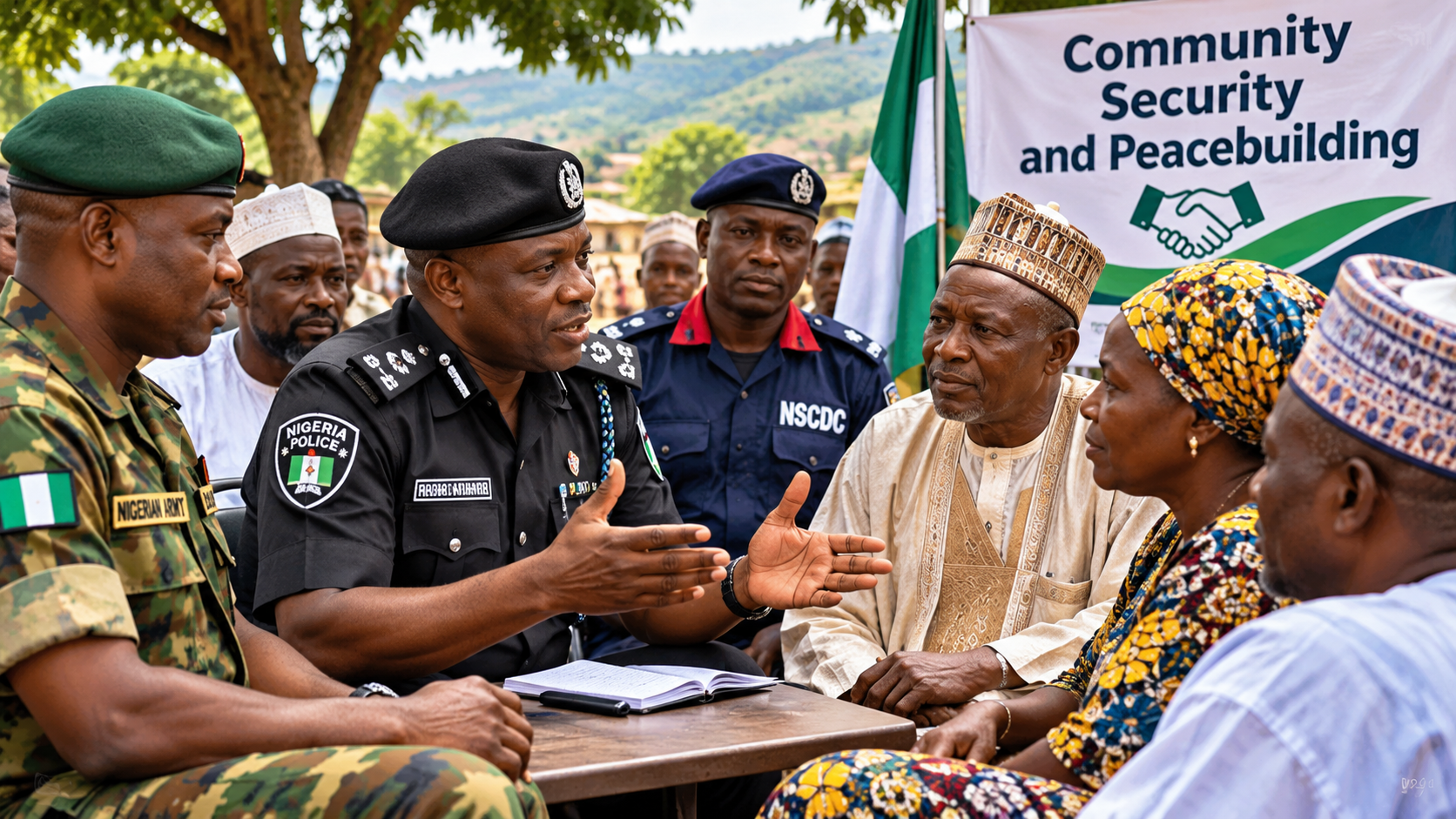
Security remains one of the most important issues affecting national development, public confidence and the well-being of communities across Nigeria. From concerns about violent crime and kidnapping to communal conflicts, armed attacks and threats to livelihoods, insecurity presents serious challenges for individuals, families, businesses and public institutions.
The effects of insecurity extend beyond immediate threats to lives and property. Security concerns can disrupt education, agricultural production, transportation, trade, healthcare delivery and other essential activities. Communities experiencing prolonged insecurity may face displacement, economic hardship and reduced access to public services.
Addressing these challenges requires a comprehensive approach involving effective law enforcement, responsible leadership, community participation, respect for human rights and sustained investment in social and economic development.
This article examines major security challenges facing Nigeria, their effects on communities, the responsibilities of security institutions and citizens, and practical approaches to strengthening public safety and promoting lasting peace.
Major Security Challenges Facing Nigeria
Nigeria faces several interconnected security challenges that affect communities differently across the country. These include armed attacks, kidnapping, banditry, insurgency, communal conflicts, violent crime and disputes over land and natural resources.
Insurgency and Armed Violence
Insurgency and organised armed violence have created serious security and humanitarian challenges, particularly in parts of Northern Nigeria. Attacks on communities, threats to civilian populations and disruptions to economic activities can undermine public confidence and weaken local development.
Responding effectively requires coordinated security operations, reliable intelligence, civilian protection and sustained efforts to address conditions that contribute to violent extremism.
Kidnapping and Banditry
Kidnapping for ransom and attacks by armed criminal groups have affected communities, travellers, farmers and businesses in different parts of Nigeria. These threats can restrict movement, discourage investment and prevent residents from carrying out their normal activities.
Improved intelligence gathering, effective investigations, stronger protection of vulnerable communities and cooperation between security agencies and residents are important elements of a comprehensive response.
Communal Conflicts and Resource Disputes
Disagreements involving land ownership, farming activities, grazing routes and access to natural resources can contribute to tensions between communities. When such disputes are poorly managed, they may escalate into violence, displacement and destruction of property.
Peaceful conflict resolution, inclusive dialogue, fair enforcement of laws and responsible management of natural resources are essential to reducing these risks.
Urban Crime and Public Safety
Urban centres also face security concerns, including robbery, theft, organised criminal activities and other forms of violence. Effective policing, community engagement, access to justice and improved economic opportunities can contribute to safer neighbourhoods.
Although these challenges differ in their causes and effects, they demonstrate the need for coordinated, lawful and community-focused security strategies across Nigeria.
Effects of Insecurity on Communities and National Development
Insecurity has consequences that extend beyond immediate threats to human lives and property. Persistent violence and criminal activities can weaken economic development, disrupt essential services, increase humanitarian needs and affect the well-being of communities across Nigeria.
Disruption of Education
Security threats can prevent children from attending school, discourage teachers from working in affected communities and interrupt academic activities. When schools become unsafe or families are displaced, students may experience prolonged interruptions to their education.
Protecting educational institutions and creating safe learning environments are therefore important responsibilities of government, security agencies and communities.
Effects on Agriculture and Food Security
Agriculture provides livelihoods for many Nigerian households, particularly in rural communities. Insecurity can prevent farmers from accessing their farmlands, disrupt transportation of agricultural products and discourage investment in food production.
These disruptions may contribute to reduced agricultural output, higher transportation costs and increased pressure on food availability and household incomes.
Economic Activities and Investment
Businesses require a stable environment to operate effectively. Persistent security concerns can discourage investment, interrupt commercial activities, increase operating costs and limit employment opportunities.
Small businesses, traders, transport operators and rural enterprises may be particularly vulnerable where insecurity restricts movement and access to markets.
Displacement and Humanitarian Challenges
Armed violence and communal conflicts can force families to leave their homes in search of safety. Displaced persons may face difficulties accessing adequate shelter, healthcare, education, clean water and sustainable livelihoods.
Addressing these humanitarian challenges requires coordinated assistance, protection of vulnerable populations and long-term efforts to restore safety and rebuild affected communities.
Public Confidence and Social Cohesion
Persistent insecurity can weaken public confidence in institutions and create fear or mistrust among communities. It may also increase tensions between different groups, especially where misinformation and unresolved grievances contribute to hostility.
Strengthening social cohesion requires transparent communication, fair treatment, peaceful dialogue and cooperation among community leaders, public institutions and residents.
The wider consequences of insecurity demonstrate why lasting peace must be supported by effective security measures, inclusive development, accountable governance and sustained community participation.
Responsibilities of Security Agencies and Government
Ensuring public safety is a fundamental responsibility of government. In Nigeria, effective security requires cooperation among federal, state and local authorities, security institutions, community leaders and citizens.
Strengthening Law Enforcement and Intelligence
Security agencies have an important responsibility to prevent crime, protect lives and property, investigate criminal activities and bring suspected offenders before the appropriate judicial authorities.
Effective intelligence gathering, professional training, adequate equipment and cooperation among relevant agencies can improve responses to security threats.
Security operations must also respect constitutional rights, established legal procedures and the dignity of citizens.
Improving Coordination Among Security Institutions
Nigeria’s security challenges require coordinated responses involving the police, armed forces, intelligence organisations and other relevant institutions, within their respective legal mandates.
Improved communication, timely information sharing and clearly defined responsibilities can reduce operational gaps and strengthen the protection of vulnerable communities.
Promoting Accountability and Public Trust
Public confidence is essential to effective security management. Security institutions should operate transparently, investigate allegations of misconduct and ensure that personnel remain accountable for their actions.
Fair treatment, respect for human rights and accessible complaint mechanisms can encourage citizens to cooperate with lawful security operations.
Addressing the Underlying Causes of Insecurity
Security operations alone cannot resolve every factor contributing to violence and criminal activities.
Government policies that improve access to education, employment opportunities, infrastructure, justice and essential public services can support long-term stability.
Peacebuilding initiatives, conflict resolution mechanisms and inclusive development programmes are also important in communities affected by prolonged insecurity.
Protecting Vulnerable Communities
Government and security institutions must give particular attention to communities exposed to repeated attacks, displacement and other security threats.
Preventive measures, timely emergency responses, humanitarian assistance and the restoration of essential services can help protect vulnerable populations and support recovery.
Ultimately, effective security governance requires professional institutions, responsible leadership, adequate oversight and sustained cooperation between government and the people.
The Role of Communities and Citizens in Promoting Security
Achieving lasting peace in Nigeria requires more than government intervention and security operations. Communities, traditional institutions, religious leaders, civil society organisations and individual citizens also have important roles in promoting public safety and preventing violence.
Community Cooperation and Early Warning
Residents often have valuable knowledge of local conditions and emerging security concerns. Responsible cooperation with lawful security authorities can help identify potential threats and support timely preventive action.
Community members should report credible concerns through appropriate channels while avoiding vigilantism, false accusations and actions that could endanger innocent people.
Promoting Peaceful Coexistence
Nigeria’s ethnic, cultural and religious diversity makes mutual respect and peaceful coexistence essential to national stability.
Traditional rulers, religious leaders and community organisations can help resolve disagreements, discourage inflammatory statements and promote dialogue among different groups.
Peaceful conflict resolution is particularly important where disputes involve land, livelihoods, community boundaries or access to natural resources.
Responsible Use of Information and Social Media
Digital platforms can support public awareness and the sharing of important safety information. However, unverified reports, misleading images and inflammatory messages can increase fear and tension.
Citizens should verify information before sharing it, avoid spreading rumours and rely on credible sources for security-related updates.
Responsible communication can help prevent unnecessary panic and strengthen public confidence.
Youth Participation and Peacebuilding
Young people have an important role in building peaceful communities through education, entrepreneurship, civic engagement and participation in constructive development initiatives.
Youth organisations, schools and community groups can promote tolerance, leadership development and nonviolent approaches to resolving disagreements.
Expanding meaningful opportunities for young people can also contribute to stronger communities and long-term social stability.
Supporting Victims and Vulnerable Groups
Communities can contribute to recovery by supporting people affected by violence, displacement and other security challenges.
Local organisations, volunteers and civil society groups can assist with humanitarian activities, psychosocial support, educational opportunities and community reintegration, working alongside qualified service providers.
Support should be delivered with respect for human dignity, privacy and the particular needs of vulnerable individuals.
Building Trust Between Citizens and Security Institutions
Effective community security depends on mutual trust, accountability and regular communication between residents and security personnel.
Community engagement programmes, accessible reporting mechanisms and respectful interactions can encourage cooperation and improve understanding of local security needs.
Ultimately, citizens contribute to national security by respecting the law, promoting peaceful coexistence, sharing verified information and supporting legitimate efforts to protect lives and property.
Conclusion
Security remains a fundamental requirement for peace, economic development and the well-being of citizens across Nigeria. Addressing the country’s security challenges requires sustained commitment from government institutions, security agencies, community leaders, civil society organisations and the wider population.
While effective law enforcement and intelligence gathering are essential, lasting security also depends on accountable governance, respect for human rights, access to justice, economic opportunities and investment in education and essential public services.
Communities have an equally important responsibility to promote peaceful coexistence, support lawful security efforts, reject violence and encourage responsible communication.
Strengthening cooperation between citizens and security institutions can help improve public confidence, prevent conflicts and protect vulnerable populations.
Ultimately, building a safer Nigeria requires a comprehensive and long-term approach that combines professional security operations, inclusive development, responsible leadership and active community participation. Through these collective efforts, the country can make meaningful progress towards lasting peace, national stability and sustainable development.
Leave a Reply